What tank size do angelfish need?
Angelfish need at least a 29-gallon tank for a basic beginner-friendly setup, and bigger is better if you want more than one angelfish or a real community. Angelfish tank size matters because their body height and territorial behavior punish cramped tanks.
This is where a lot of angelfish care goes wrong. Baby angelfish look manageable, so people treat angelfish tank size like an optional detail. It is not. A tank that looks fine on purchase day can feel cramped and aggressive later.
- Minimum practical angelfish tank size: about 29 gallons
- Better angelfish tank size for groups or communities: 40 gallons and up
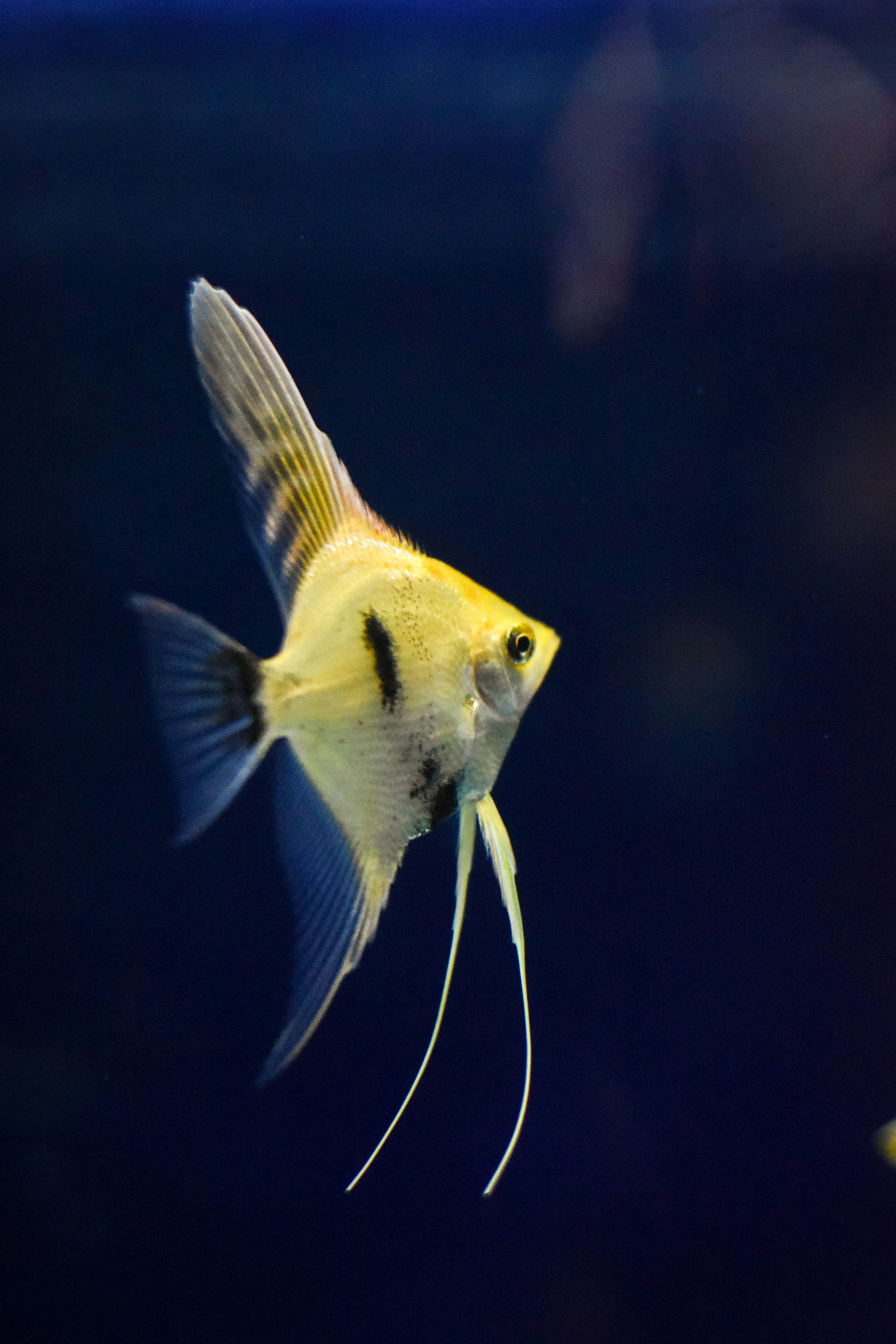
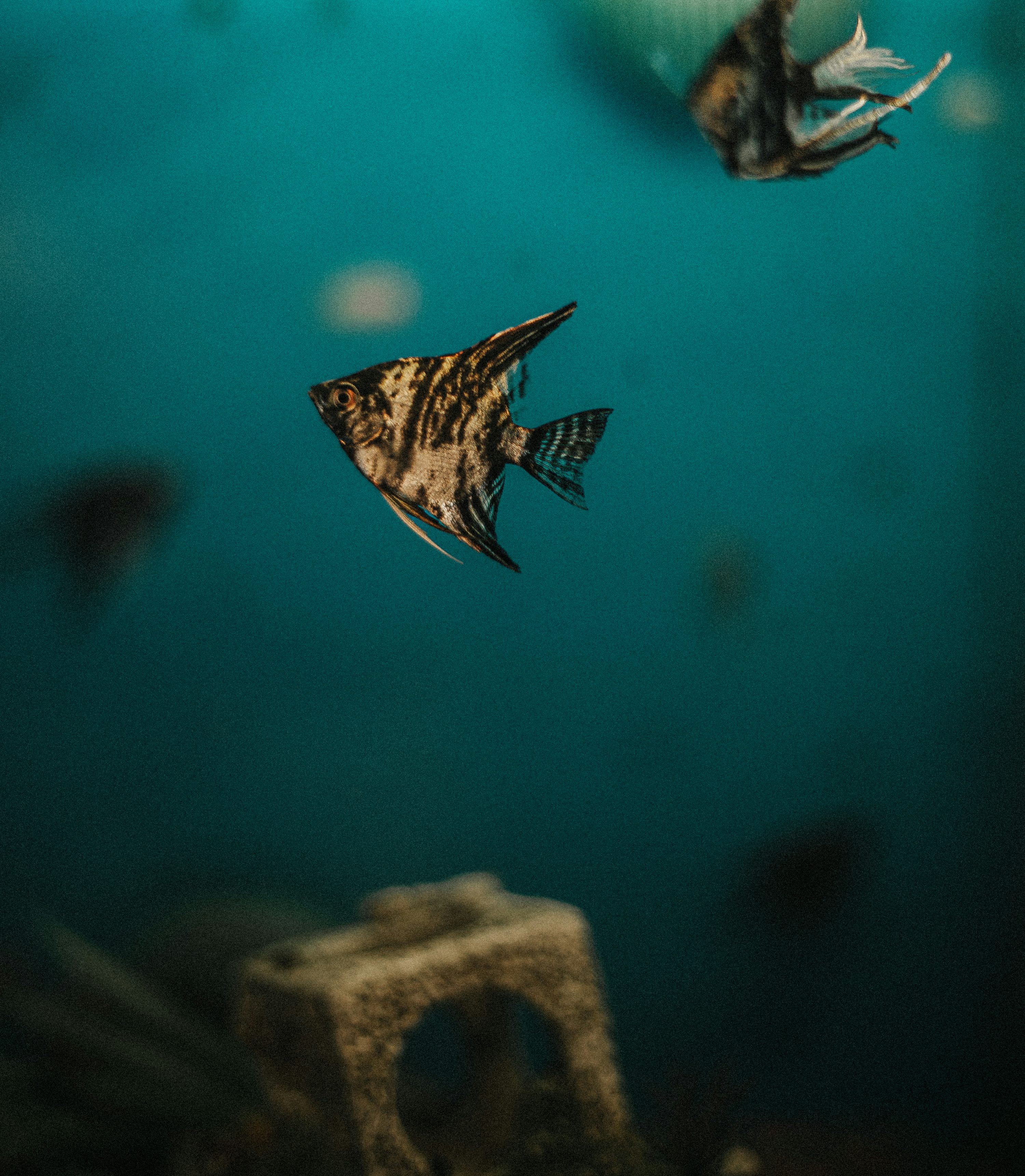
- Tall tanks help because angelfish are high-bodied fish
Best angelfish tank mates for a calm community tank
The best angelfish tank mates are calm community fish that are not tiny enough to look like food and not aggressive enough to start fights. Good angelfish tank mates usually share similar water needs and do not constantly harass long fins.
The worst angelfish tank mates are fin-nippers, frantic fish, and tiny fish that turn into targets later. That is why angelfish care is not just about the angelfish. It is also about whether the rest of the tank makes any sense.
- Good angelfish tank mates: calm tetras, peaceful Corydoras, and other compatible community fish
- Bad angelfish tank mates: fin-nippers, hyper fish, and very tiny fish
- Safer rule: build the stock list around angelfish instead of squeezing them into a random community
Why do angelfish become aggressive?
Angelfish become aggressive when they mature, pair off, defend territory, or get stressed by a bad setup. Angelfish aggression usually gets worse in tanks that are too small, too crowded, or filled with bad tank mates.
This is a major angelfish care issue because people buy young fish and judge the species too early. Later, the same fish can start guarding space, pushing other fish around, and changing the whole mood of the tank.
Why angelfish care goes wrong for beginners
Angelfish care usually goes wrong because beginners underestimate angelfish tank size, overestimate angelfish compatibility, and buy them before the tank is stable. The fish gets blamed, but the setup is usually the real issue.
A stable tank makes angelfish care look manageable. A sloppy tank makes angelfish care look moody and unpredictable. That is why this species builds trust for good sites and regret for bad shopping advice.
- Do not treat baby size like adult reality
- Do not mix angelfish with obvious fin-nippers
- Do not buy angelfish for an unstable or overcrowded tank
Best setup for angelfish care
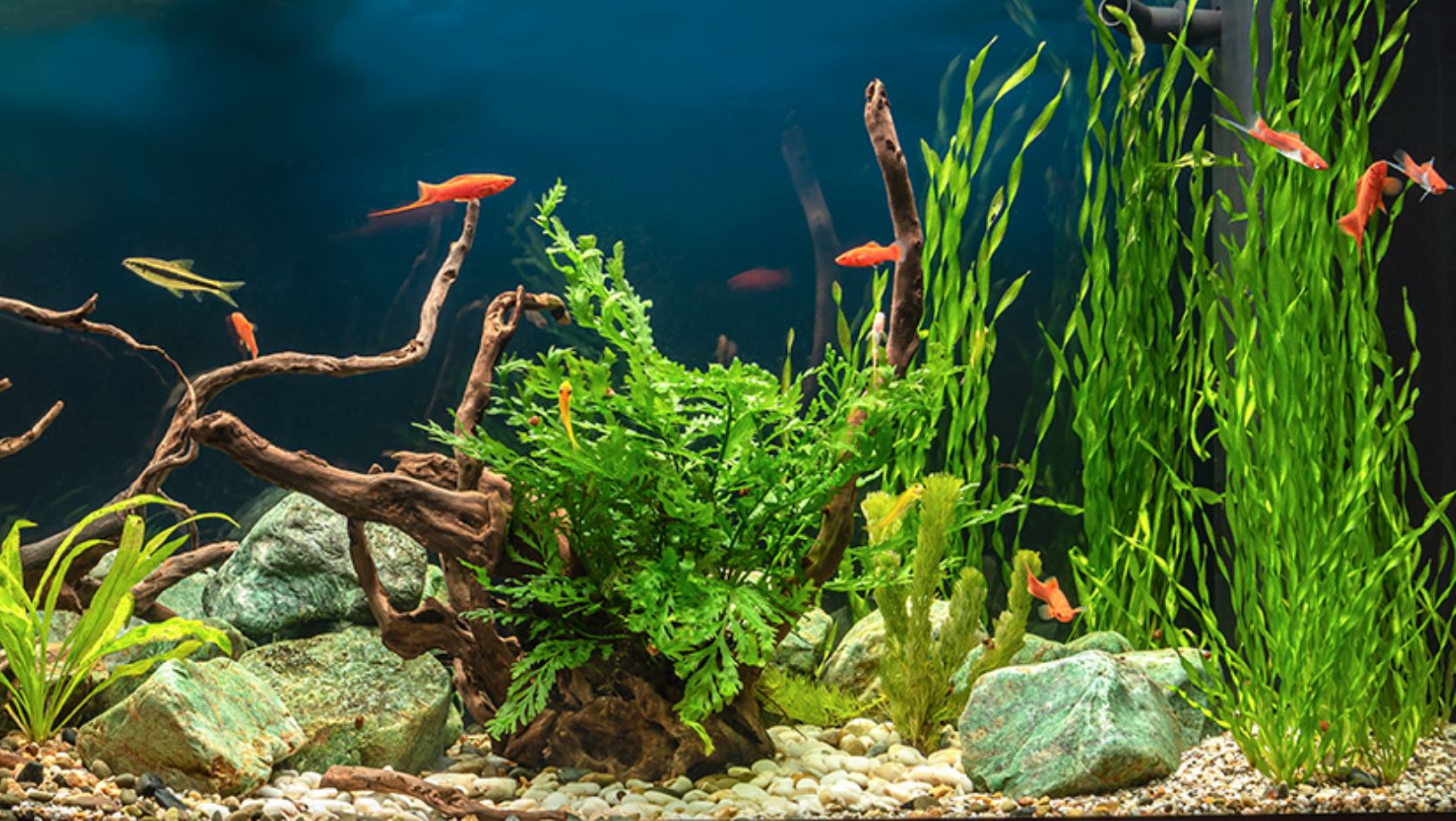
The best angelfish setup is a mature tank with vertical space, calm tank mates, and a stocking plan that leaves territory instead of cramming every zone. Angelfish care gets easier when the tank is designed around the fish instead of forcing the fish into a messy community idea.
That matters for visuals too. Angelfish dominate a tank. If the rest of the stock list is chaotic, the whole aquarium feels off even before aggression becomes obvious.
Common angelfish care mistakes
The biggest angelfish care mistakes are buying them too early, underestimating angelfish tank size, choosing weak tank mates, and assuming young fish will stay peaceful forever.
That is why angelfish care needs direct answers, not soft hobby-store copy. They are worth keeping, but only if the setup is honest.
- Mistake 1: buying angelfish for a small starter tank
- Mistake 2: mixing angelfish with fish that nip fins or move too fast
- Mistake 3: ignoring angelfish aggression once pairs form
- Mistake 4: assuming a pretty fish must be beginner-friendly
FAQ: angelfish care, tank size, and behavior
Are angelfish good for beginners? Angelfish can work for beginners with a mature tank, but they are not the easiest beginner fish because tank size and aggression matter.
What tank size do angelfish need? A practical angelfish tank size starts around 29 gallons, with more room preferred for groups or community setups.
- Can angelfish live with tetras? Some can, but very small tetras may become targets and fin-nippers are a bad mix.
- Why are my angelfish aggressive? Angelfish aggression usually comes from territory, pairing, crowding, or bad compatibility.
- Do angelfish need tall tanks? Yes. Their body shape makes vertical space useful.
- Should beginners buy angelfish first? Usually no. [Read: Best Beginner Fish Guide]
- What should you read next? [Read: Worst Fish for Beginners] [Read: Tank Stability Article]

Reader Comments
What other hobbyists think about this setup.
Loading comments...
Join The Discussion