Best beginner soft corals: zoanthids and mushrooms
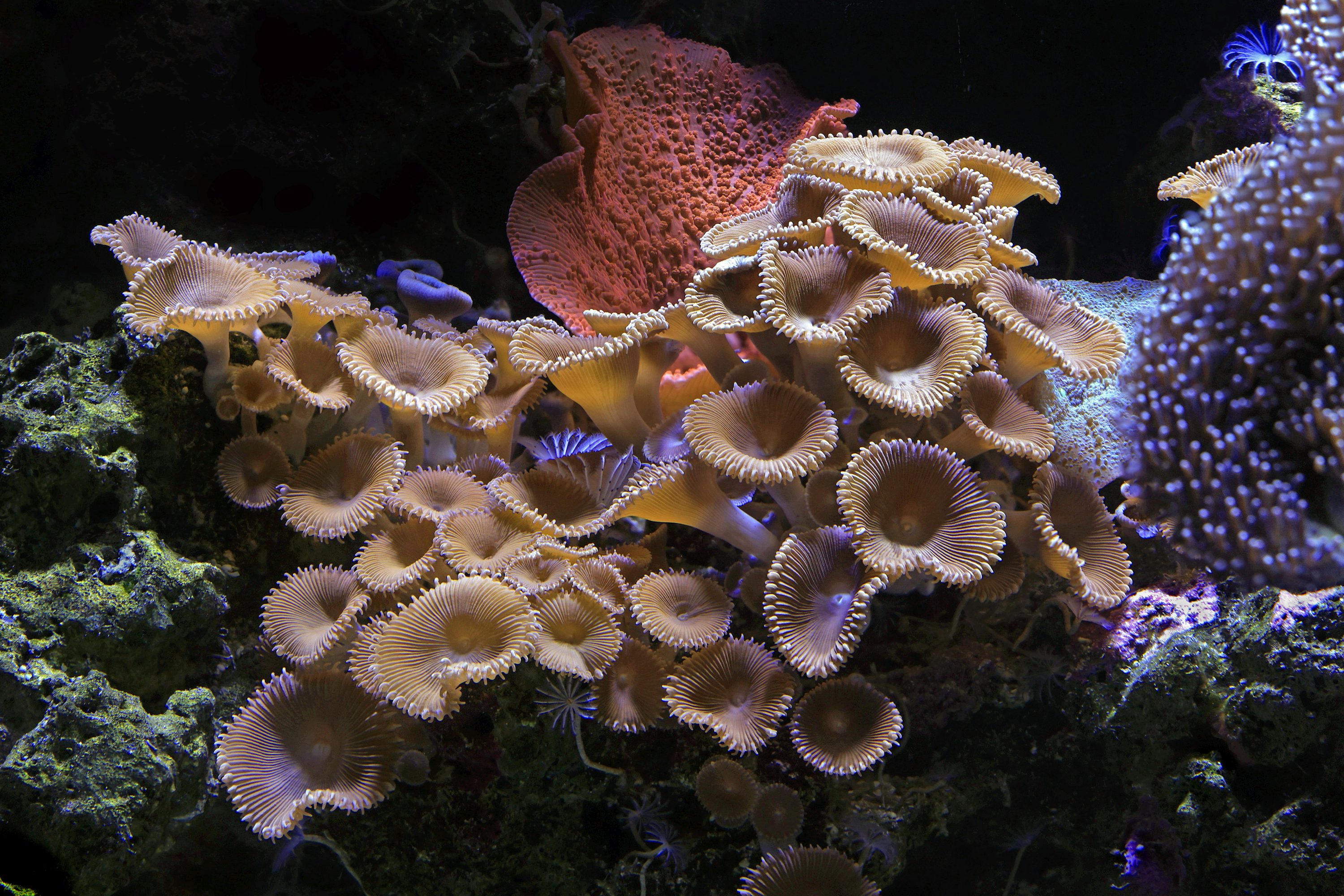
Zoanthids and mushrooms are near the top of any best beginner coral list because they are forgiving, colorful, and usually easier to place than fussier coral types. For a first reef tank, that matters a lot.
They still need stable enough reef conditions, but they usually do not punish every small inconsistency. That makes them a much smarter first coral than jumping straight into acropora because you liked a photo online.
- Best for: new reef keepers who want color without extreme fragility
- Why they work: forgiving beginner corals with manageable placement options
- Watch out for: assuming easy means harmless, especially with fast spreaders or palytoxin concerns
Beginner coral that can take over: green star polyps
Green star polyps are one of the easiest beginner corals, but they are also one of the easiest corals to regret if you place them badly. This is the kind of beginner coral that thrives enough to become a layout problem.
That does not make them bad. It means smart beginner reef advice should tell you where to isolate them instead of acting like growth is always automatically a win.
- Best for: isolated rock islands or controlled placement
- Why they work: hardy beginner coral with strong movement
- Watch out for: letting them spread into places you will want for other coral later
Best beginner leather corals for reef tanks
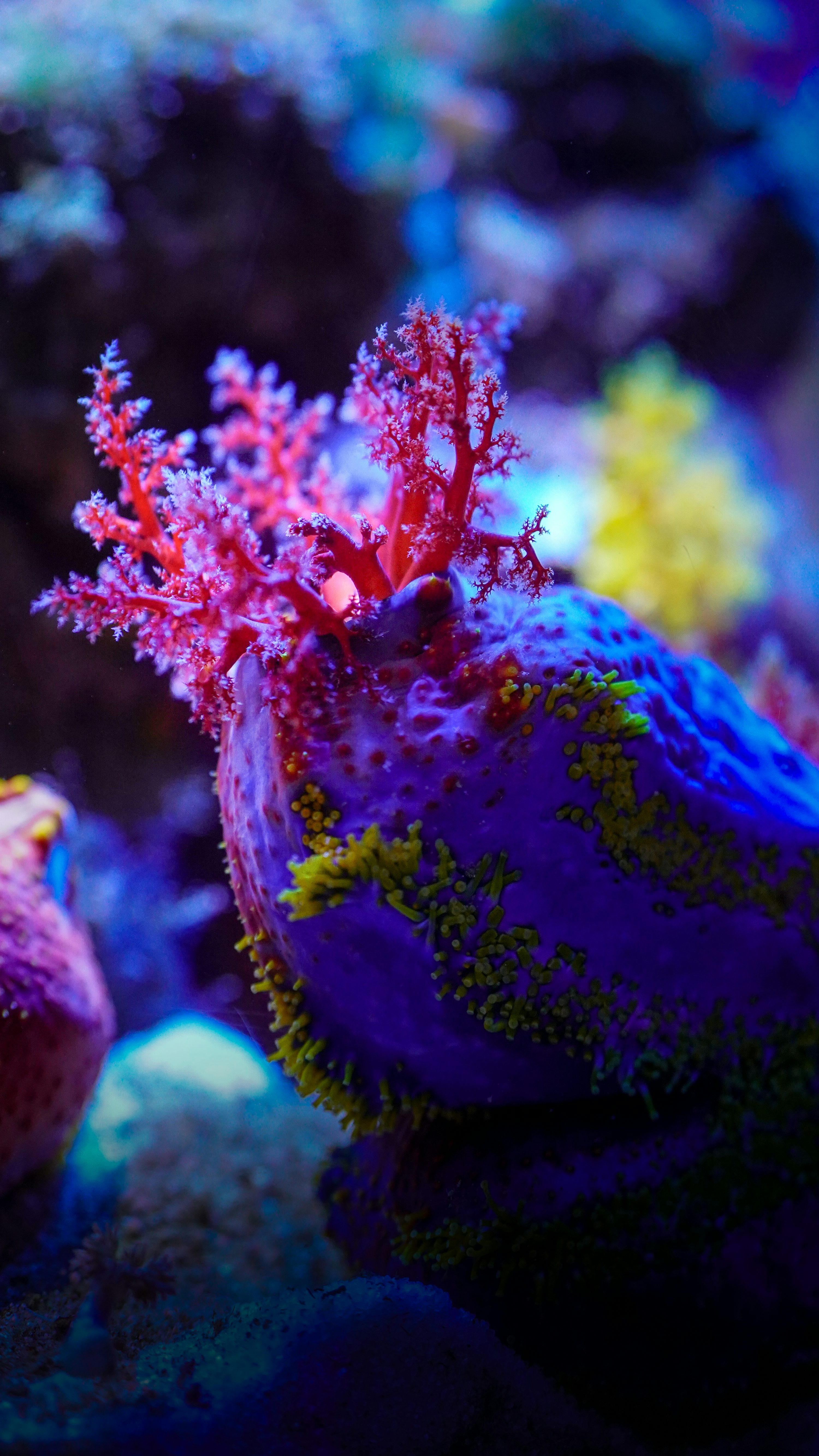
Toadstool leathers and other beginner-friendly leather corals are strong early picks because they usually tolerate beginner nutrient and stability mistakes better than delicate SPS coral. They also give a reef tank movement and shape without needing high-end obsession.
They are especially good if your goal is a practical first reef display instead of a fragile Instagram project.
- Best for: beginner mixed reefs that need hardy movement coral
- Why they work: durable soft coral with broad beginner appeal
- Watch out for: flow and spacing, because even easy coral still needs sensible placement
Best beginner LPS coral: candy cane and similar easy picks
Candy cane coral is one of the better beginner LPS coral choices because it gives you the look of a more substantial coral without the same level of fragility or aggression as some other LPS options.
That makes it a good stepping-stone coral. It lets a beginner start learning placement, feeding response, and spacing without throwing them into the deep end immediately.
- Best for: reef keepers ready for an easy LPS step up from soft coral
- Why they work: solid beginner LPS balance of looks and forgiveness
- Watch out for: assuming all LPS are equally beginner-friendly
Beginner corals to avoid in a first reef tank
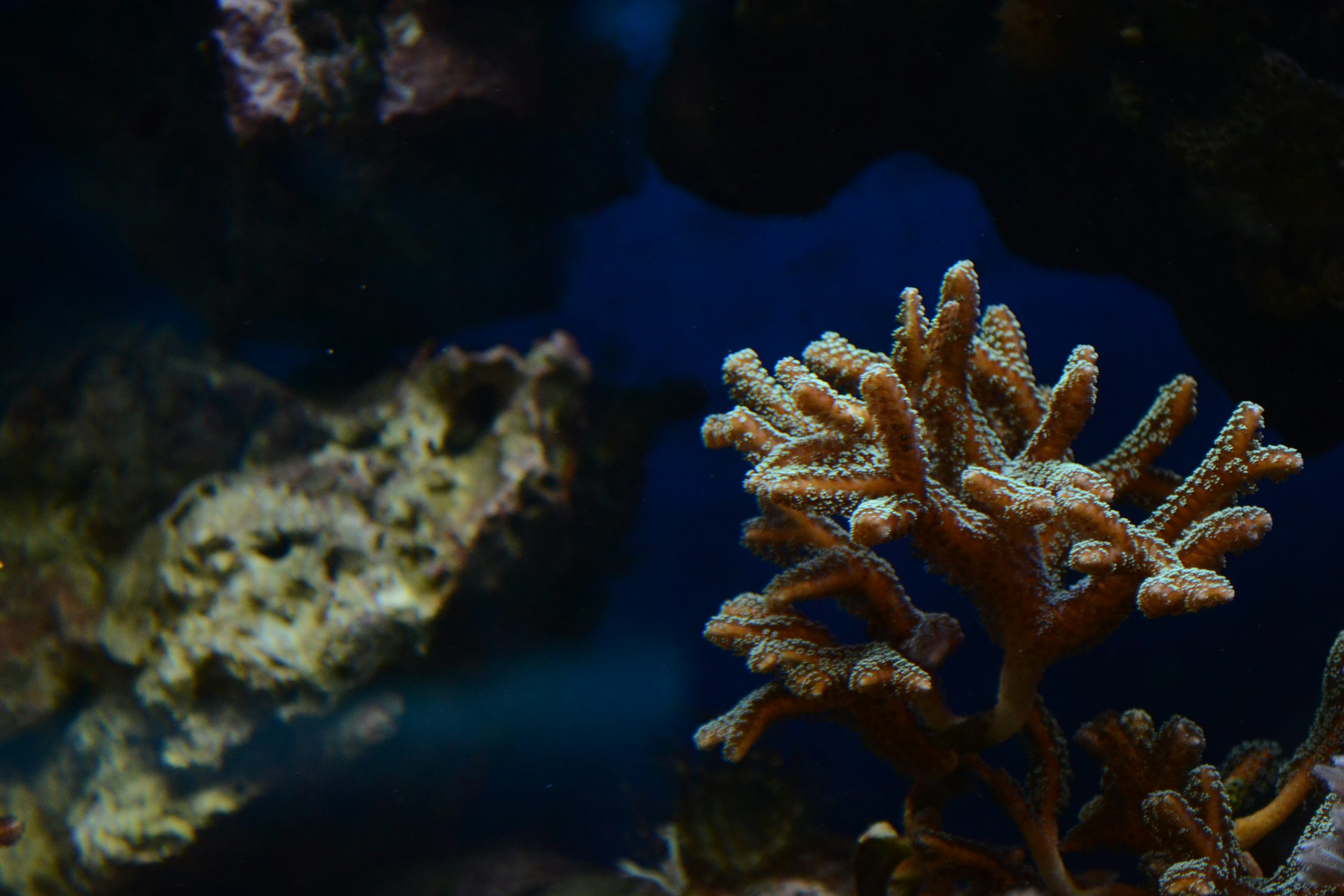
The corals beginners should usually avoid first are delicate SPS coral, high-demand show pieces, and expensive coral that depends on tighter stability than a young reef tank can guarantee.
This is where the best beginner coral advice separates itself from seller copy. The point is not to own the hardest coral the fastest. The point is to build a reef that stays alive and looks better over time.
- Avoid delicate SPS in tanks that are still young or still drifting
- Avoid buying expensive coral before you can keep easy coral happy
- Avoid stacking too many coral types before you understand growth and aggression
Why beginner coral plans fail
Most beginner coral plans fail because people chase names and colors before they can hold stable parameters. The coral gets blamed, but the tank usually told the truth first.
That is why the best beginner corals are not just 'easy to keep.' They are corals that match the maturity of the reef tank and the discipline of the person running it.
FAQ: best beginner corals for reef tanks
What are the best beginner corals? Zoanthids, mushrooms, green star polyps in controlled placement, toadstool leathers, and candy cane coral are strong beginner coral choices.
What coral should beginners avoid? Delicate SPS coral and expensive high-demand coral are usually bad first purchases for a new reef tank.
- Are zoas good beginner corals? Yes. Zoanthids are among the best beginner corals because they are colorful and comparatively forgiving.
- Is green star polyp a good beginner coral? Yes, but placement matters because it can spread aggressively.
- Are beginner corals still sensitive? Yes. Easy does not mean indestructible. Stability still matters.
- What should beginners focus on first? Stable salinity, stable nutrients, and simple consistent care.
- What should you read next? [Read: Best Beginner Saltwater Fish] [Read: Reef Mistakes Guide]


Reader Comments
What other hobbyists think about this setup.
Loading comments...
Join The Discussion